
 NEW! Fresh Fish Market
  DELIVERY R65 ACROSS CAPE TOWN | FREE DELIVERY FOR ORDERS OVER R1200
When you hear “dry-aged,” your mind probably goes straight to beef — I know mine did the first time I came across it.
Over the past while, we’ve been working closely with Cape Fish to explore dry-aged fish, and it’s honestly something really special.
Through Ocean Jewels, I’m excited to now be able to share this with you — bringing something a little different, but still focused on quality, sustainability, and really good fish.
It’s not just about doing something different — it’s about bringing out the absolute best in the fish. Cleaner flavour, better texture, and none of that overly “fishy” smell that sometimes puts people off.
What is Dry-Aged Fish?
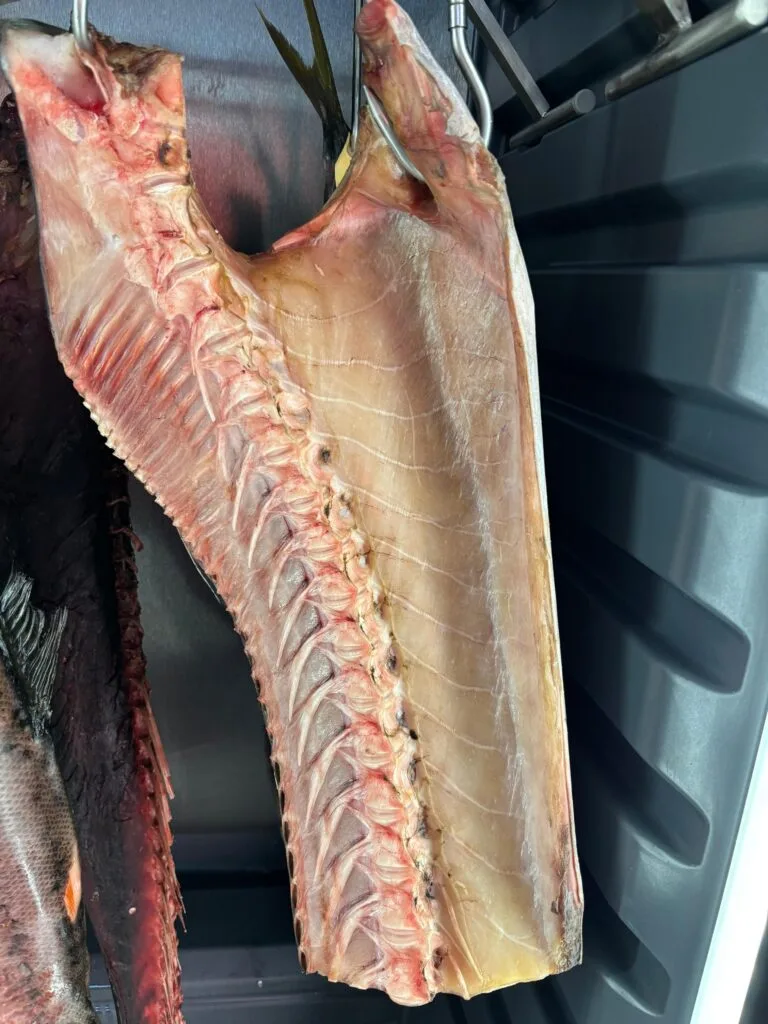
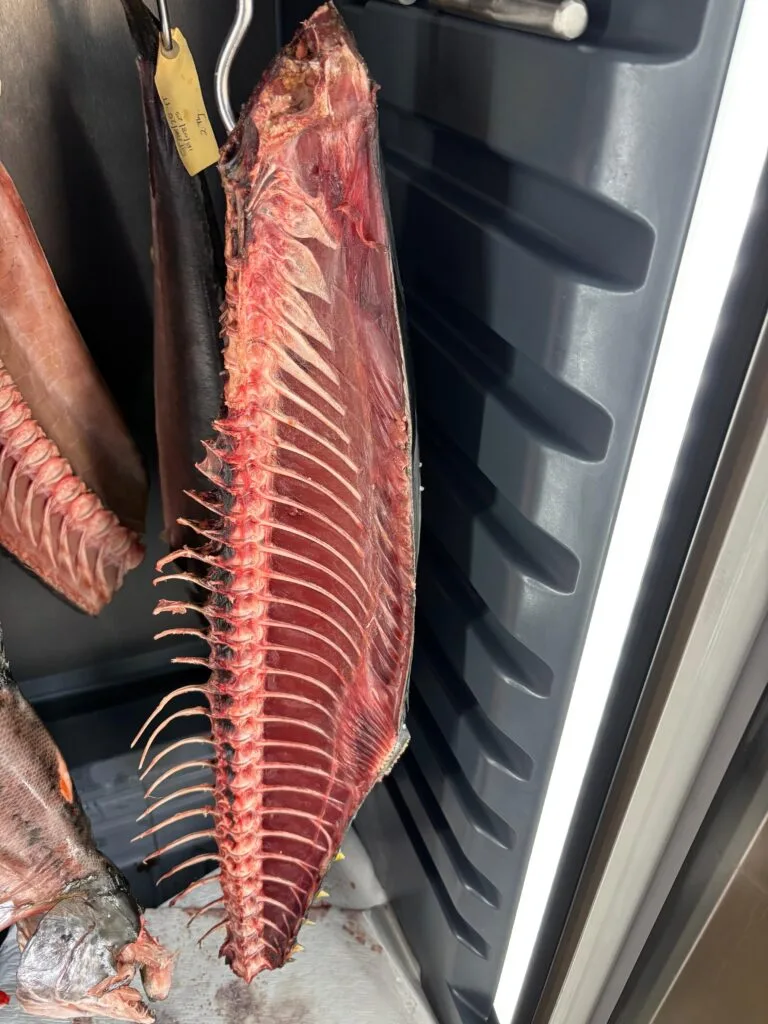
Dry-aged fish is whole fish that’s carefully stored in a controlled environment where temperature, humidity, and airflow are all perfectly balanced for several days (sometimes even weeks).
Instead of simply preserving the fish, like standard refrigeration, this process transforms it, enhancing both flavour and texture.
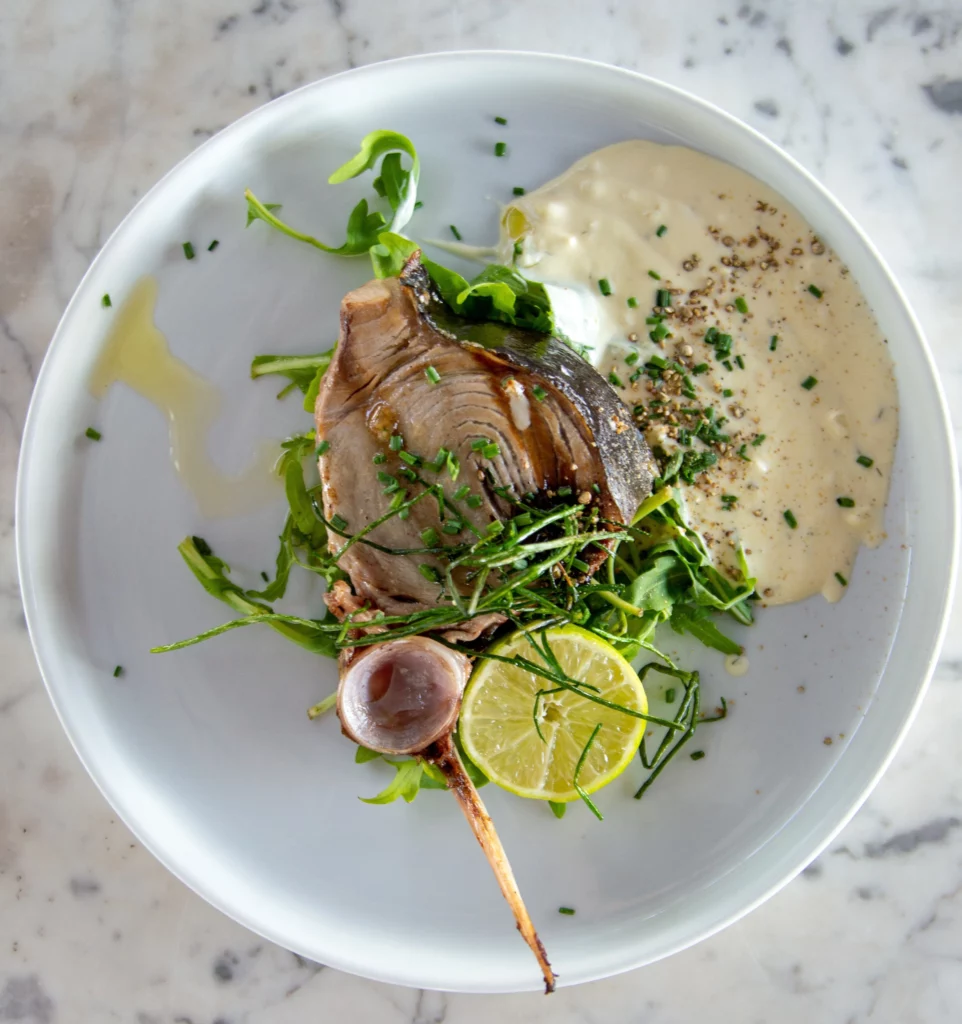
Why We Love It
There’s a reason chefs around the world are getting excited about dry-aged fish, it changes everything you thought you knew about seafood.
That perfect sear
Less moisture means better caramelisation. Whether you’re pan-frying or braaiing, you get that golden crust we’re all chasing.
More flavour, less fuss
As moisture slowly evaporates, the natural flavour becomes more concentrated. You get a richer, cleaner taste without that overly “fishy” edge.
Beautiful texture
The flesh becomes firmer and more structured, but still juicy when cooked. It holds its shape, slices beautifully, and cooks evenly.
Longer shelf life (with care)
Dry ageing extends the fish’s prime window, giving a bit more flexibility without compromising on quality.
Incredibly versatile
It shines raw (sashimi, crudo, nigiri), but it’s just as good cooked simply — butter, salt, pepper… done.
How It’s Done
This isn’t something you rush — it’s a craft.
Fish is aged whole (scaled and gutted) in a specialised dry-age fridge where airflow, humidity, and temperature are tightly controlled. From there, it’s all about timing and experience.
Some fish might be ready in 3–5 days, others benefit from longer ageing. There’s no exact formula — just careful handling and knowing when it’s at its best.
Cooking It Simply (Because You Should)
Dry-aged fish doesn’t need much — in fact, the less you do, the better it is.
Pan-fry it
A little olive oil, butter, salt, and pepper. Let the skin crisp up and the flavour shine.
Serve it raw
Slice thinly for sashimi or crudo with a squeeze of lemon and a drizzle of good olive oil.
On the braai
Firm, meaty, and perfect over the coals — especially tuna.
Keen to try it?
We’ll be offering limited quantities of dry-aged fish through Ocean Jewels, prepared in collaboration with Cape Fish.
From experience, it doesn’t stick around for long.
If you’d like to try something a little different (and seriously delicious), keep an eye on our weekly updates or pop me a WhatsApp and I’ll let you know what’s available.
Hey Lynn, sure you can! Stews and curries being very wet means they freeze well so go ahead, make a…